1 Name the Pressure
Begin with what is happening now: performance anxiety, low confidence, burnout, a setback, an injury, a relationship concern, or something outside athletics.

Athlete Mental Health Support
Student athletes can carry school pressure, training demands, competition, injuries, relationships, and expectations at the same time. Counseling offers space for the person behind the performance.
Sport can be a source of connection and purpose, but it can also bring pressure, changing roles, setbacks, and difficult transitions. An athlete does not need to wait for a crisis or lose interest in a sport before asking about support.
These concerns do not automatically mean an athlete has a diagnosis. A consultation can help clarify whether mental health counseling, another professional, or a combination of supports may be a better next step.
A Collaborative Process
The counseling approach depends on the athlete, concern, goals, age, and clinician. Conversations may connect emotional support with the realities of school, training, competition, injury, relationships, and life beyond sport.
Begin with what is happening now: performance anxiety, low confidence, burnout, a setback, an injury, a relationship concern, or something outside athletics.
Depending on the concern and clinician, counseling may include grounding, mindfulness, cognitive approaches, coping strategies, communication, and space to process difficult emotions.
Goals can account for the athlete's school life, relationships, family, identity, health needs, and future—not only statistics, rankings, or playing time.
Kenedy Shelton is the current Compass clinician whose service profile specifically documents sports psychology experience and work with high-school and college athletes.
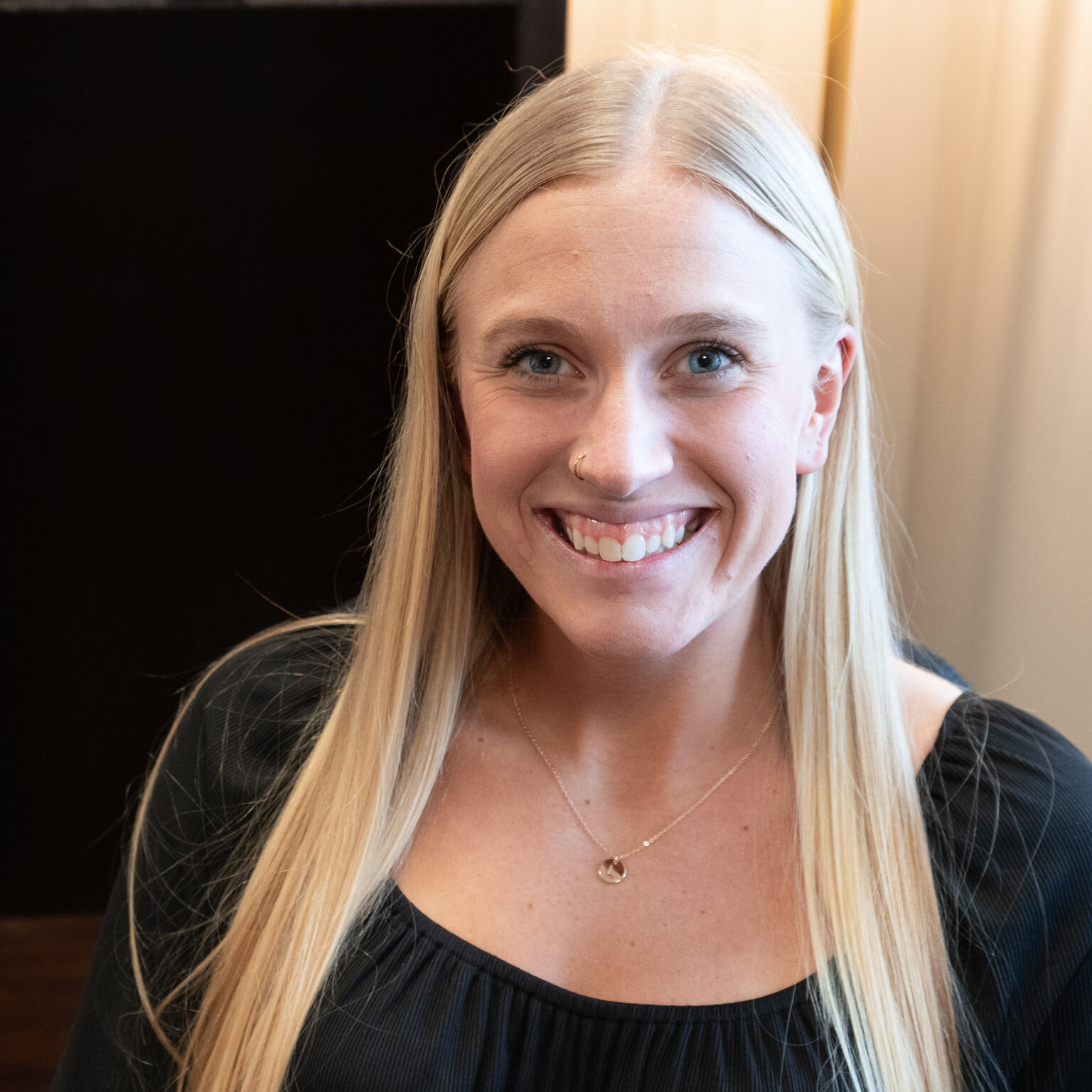
Therapist
A licensed therapist with documented sports psychology experience who supports high-school and college athletes with performance, emotional, and relationship concerns.
For Athletes & Families
A short consultation can help you decide whether Compass is an appropriate place to begin and what other support may be useful.
Share the athlete's age, the situation prompting the call, and what kind of change or support you hope to discuss. You do not need to have the right clinical language first.
Compass can discuss current options for in-person counseling in Holland or Michigan teletherapy when clinically appropriate and available. Appointment format and openings should be confirmed during the consultation.
A parent, caregiver, partner, or other support person may have useful context, especially for a younger athlete. The clinician can explain appropriate involvement and privacy within professional and legal boundaries.
Counseling addresses mental health and emotional concerns. Medical care, physical rehabilitation, nutrition treatment, return-to-play decisions, and emergency support require the appropriate professional or service.
If an athlete may hurt themselves or someone else, call 911, go to the nearest emergency department, or call or text 988. Do not wait for a routine counseling consultation.
Choosing the Right Starting Point
Different concerns may call for different professionals. Use the consultation to clarify the right next step.
| Starting point | May fit when | What to discuss |
|---|---|---|
| Mental health counseling | Anxiety, low mood, pressure, burnout, relationships, identity, or emotional stress is affecting daily life or sport. | Clinician fit, goals, age range, privacy, and in-person or virtual options |
| Sports medicine or rehabilitation | The primary need is injury evaluation, physical recovery, medical care, or return-to-play guidance. | Appropriately qualified medical or rehabilitation professionals |
| Performance coaching | The main goal is mental-skills training, visualization, focus routines, or performance optimization. | Whether a performance coach or sport-specific professional is the right fit |
| Family or individual counseling | Family communication, relationships, transitions, or broader concerns are central to the situation. | Who should participate and whether athlete-focused care is also appropriate |
Insurance participation, session fees, and payment options can vary by clinician and plan benefits. Use the consultation to ask what should be verified before scheduling.
View insurance and financing information →Call (616) 610-9276 or request a free 15-minute consultation to discuss athlete age, concern, clinician fit, format, current appointment options, insurance, and payment questions.
Request a ConsultationLearn More
Compass offers mental health counseling for high-school and college student athletes. Counseling may address performance pressure, confidence, setbacks, injury-related stress, relationships, or balancing athletics with school and everyday life.
A counseling conversation may help with anxiety, low mood, competitive pressure, changing roles, motivation, emotional stress after an injury, relationship concerns, identity questions, or the transition away from sport. The focus depends on the athlete's goals and the clinician's scope.
No. Compass provides mental health counseling. It does not replace sports medicine, physical rehabilitation, medical guidance, return-to-play decisions, or a performance coach's role. Tell the team if you are specifically seeking mental-skills training or performance coaching so fit can be discussed clearly.
Kenedy Shelton, LMSW, is the Compass clinician whose profile documents sports psychology experience and work with high-school and college athletes. Her profile also identifies performance, emotional, and relationship concerns among her areas of work.
Call Compass at (616) 610-9276 or use the consultation form. Share the athlete's age, whether the main concern is emotional, relationship-related, injury-related, or performance-related, and whether you are looking for in-person care in Holland or Michigan teletherapy.
Routine outpatient counseling is not emergency care. If someone may hurt themselves or another person, call 911, go to the nearest emergency department, or call or text 988 for the Suicide & Crisis Lifeline in the United States.
Explore broader counseling services based on age, relationships, or the concern affecting the athlete.
Get Started Today
Call (616) 610-9276 or complete the appointment request form for a free 15-minute consultation. Share what you or your athlete would like help with so Compass can discuss a thoughtful next step.